Ravana Palace In Sri Lanka: Sigiriya, Ella And The Ravana Fort
There is no single confirmed Ravana's palace in Sri Lanka. Tradition points to four sites: Sigiriya, Sita Kotuwa in Gurulupotha, the Ravana Cave in Ella and the submerged Ravana Kotuwa fort. Here is what you can see at each and how to visit.
Written by Ashan Lokuge
Last updated on Published on

Photo: Bernard Gagnon, CC BY-SA 3.0, via Wikimedia Commons
Short answer: there is no single, confirmed Ravana's palace in Sri Lanka. However, local tradition and the official Ramayana trail point to four main sites: Sigiriya Rock Fortress (the main palace), Sita Kotuwa in Gurulupotha (the queens' palace), the Ravana Cave in Ella (the hill fortress), and Ravana Kotuwa (the submerged fort off the south-east coast). You can visit the first three by road.
If you grew up watching or reading the Ramayana, your image of Lanka is probably a massive city of gold. But when you arrive in Sri Lanka, you won't find a single golden castle. Instead, the story is woven into the landscape itself: into towering rock fortresses, hidden jungle caves and reefs out in the ocean.
Here is the truth about the four places tradition links to Ravana's kingdom, what you can actually see today, and how to visit them. If you want the full pilgrimage, with Ashok Vatika, the Hanuman temple at Ramboda and Ram Setu, our guide to the Ramayana places in Sri Lanka covers 12 sites and a 7-day route.
1. Sigiriya: The Rock Most People Call Ravana's Palace
Location: Matale District (Cultural Triangle)
Sigiriya is the place most Indian travellers mean when they search for Ravana's palace. It is easy to see why. A sheer rock rises about 180 metres straight out of the flat forest, topped with the ruins of a royal palace and surrounded by ancient water gardens.
The myth: local legend says this was Ravana's capital. Some stories claim the palace on the summit was built by Maya Danava, the architect of the asuras, and that the famous frescoes on the rock face show Sita and the women of Ravana's court.
The history: archaeologists and historians tell a different story. According to the ancient Culavamsa chronicle, Sigiriya was built in the 5th century AD by King Kashyapa I, who seized the throne from his father and built the fortress expecting an attack from his exiled brother. The UNESCO World Heritage Centre lists the Ancient City of Sigiriya as a World Heritage Site, but it has no historical connection to the Ramayana.
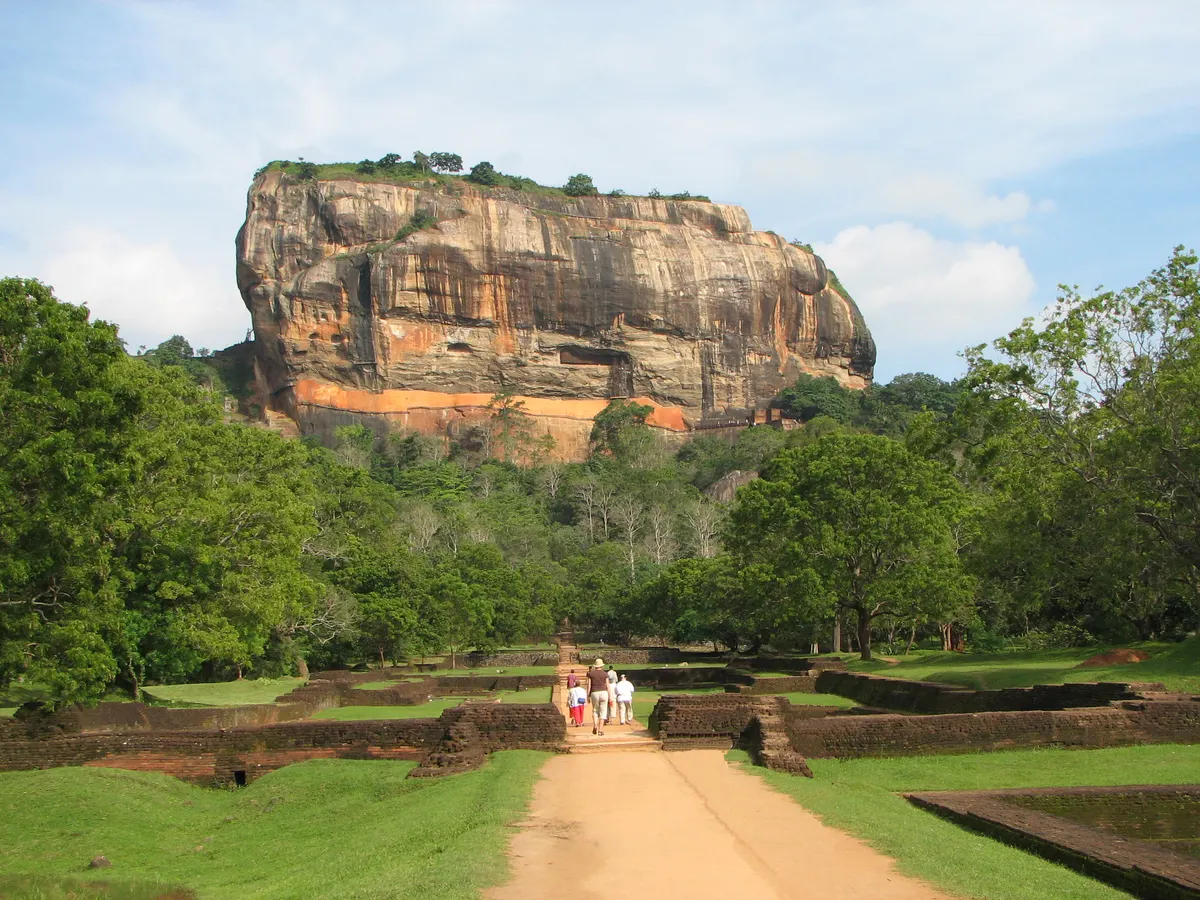
Why you should still visit: even if it is not Ravana's palace, Sigiriya is spectacular. You can see the ancient water gardens, the Mirror Wall and the giant Lion's Paws.
- Local tip: climb at 7:00 AM when the gates open. By 10:00 AM the rock heats up and the crowds arrive.
- Entry fee: about USD 35 for foreign adults in 2026, paid in rupees at the ticket office. Prices change, so check on the day.
2. Sita Kotuwa: The Queens' Palace
Location: Gurulupotha, near Hasalaka (Kandy to Mahiyangana road)
If you want the site that the official Sri Lanka Tourism Ramayana trail actually calls a palace, this is it. The Ramayana Yathra brochure from the Sri Lanka Tourism Development Authority lists it as the site of the queens' palace.
The myth: Sita Kotuwa means "Sita's Fort". Tradition says this was the home of Mandodari, Ravana's queen. When Sita was first brought to Lanka, she was kept here in luxury. When she refused Ravana's advances, she was moved to the Ashok Vatika in the hills.
What you see today: a quiet archaeological site in the forest, beside a stream. There is no grand temple or museum, just ruins and a very peaceful atmosphere.
How to get there:
- From Kandy, take the road towards Mahiyangana. The site is at the 63 km post, about 4 km from Hasalaka town.
- Park at the Gurulupotha Rest House. From there it is a 2 km walk down to the ruins (about 4 km there and back).
- Local tip: allow about 2 hours for the walk there and back. It is not suitable for elderly travellers or anyone with knee problems, which is why many tour buses skip it.
3. The Ravana Cave And Falls: Ella
Location: Ella (Hill Country)
The hills around Ella are linked to Ravana's hill fortresses and a network of secret tunnels.
The myth: legend says Ravana hid Sita in the cave above the Ravana Ella temple after moving her from the queens' palace. The tunnel inside is said to have once run deep under the hills.
What to see today:
- Ravana Falls: right beside the main Ella to Wellawaya road. You can see it from the roadside in 20 minutes. Legend says Sita bathed in the pool below.
- Ravana Cave: a short drive from the falls, perched above the Ravana Ella temple.
How to visit the cave:
- The climb: a steep climb up roughly 600 to 800 uneven stone steps. It takes about 45 minutes to reach the top.
- Entry fee: a small fee, around LKR 200 for foreigners.
- Local tip: do not wear flip-flops. The steps get slippery and it is a serious hike. Go early in the morning to beat the heat. The cave itself is a large chamber with a natural window looking out over the forest.
4. Ravana Kotuwa: The Ravana Fort Under The Sea
Location: off the south-east coast (near Yala)
When people search for the Ravana fort in Sri Lanka, the most literal answer lies out in the ocean.
The myth: two rocky reefs in the Indian Ocean, known in English as the Great Basses and Little Basses, are called Maha Ravana Kotuwa and Kuda Ravana Kotuwa in Sinhala (the great and little fort of Ravana). Local tradition says they are the remains of Ravana's fortress, swallowed by the sea.
What you see today: British engineering. The Great Basses Reef Lighthouse, first lit in 1873, stands 37 metres tall on the reef about 13 km off the coast of Yala National Park.
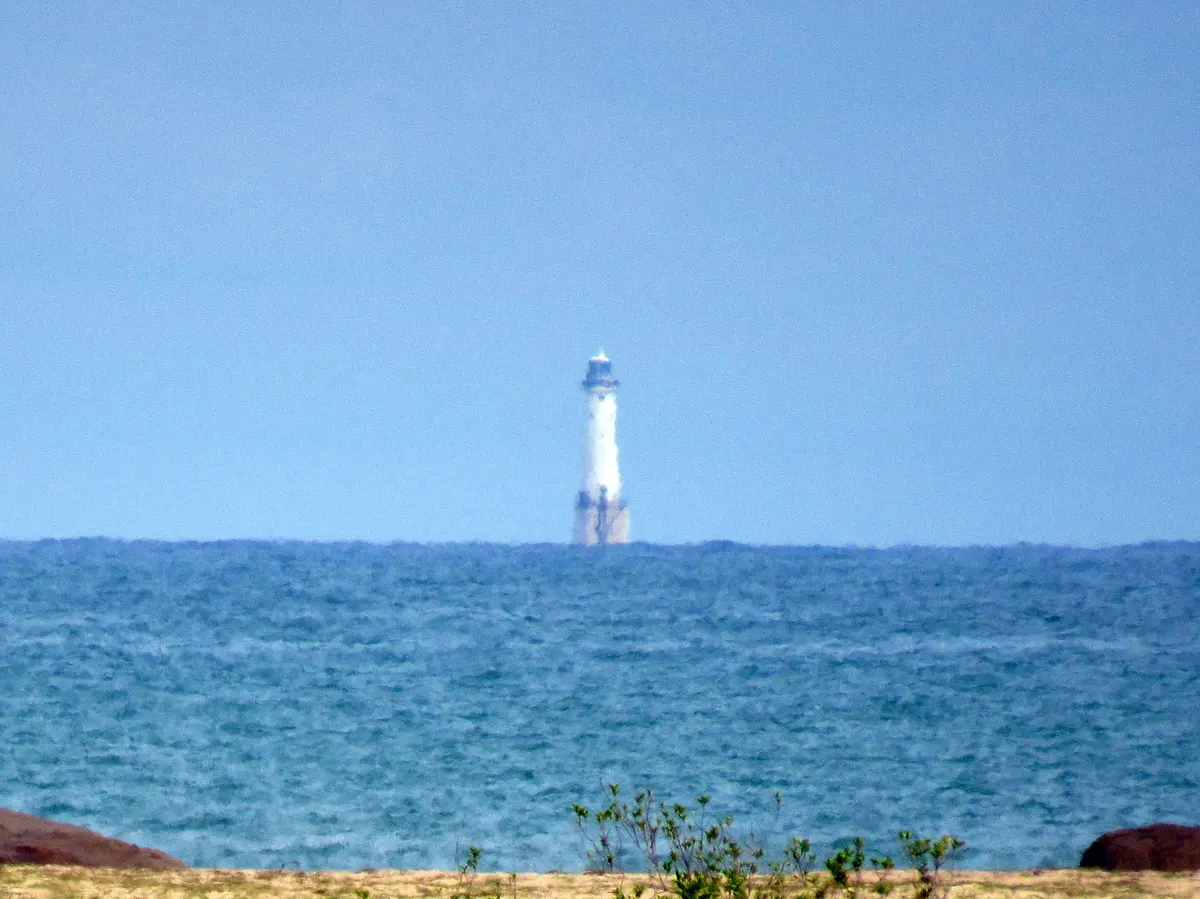
Can you visit? Not really. The reefs are only reachable by boat, the sea is rough for most of the year, and there are no commercial tours. However, on a clear day you can see the white lighthouse from the shore near Kirinda or Yala.
How To Visit The Ravana Palace Sites
The three land-based sites sit in a rough line across the island. The best way to see them is a 4-day loop starting from Colombo.
| Day | Route | Sites | Where To Sleep |
|---|---|---|---|
| Day 1 | Colombo to Sigiriya (4 hrs) | Climb Sigiriya Rock in the late afternoon | Sigiriya or Dambulla |
| Day 2 | Sigiriya to Kandy / Mahiyangana (4.5 hrs) | Sita Kotuwa, Gurulupotha | Kandy or Mahiyangana |
| Day 3 | Mahiyangana to Ella (3.5 hrs) | Ravana Falls | Ella |
| Day 4 | Ella to Colombo (or the south coast) | Ravana Cave in the morning | Colombo or the beach |
Getting around: public transport does not reach Gurulupotha or the Ravana Cave temple. The hill roads are slow and buses are infrequent. Most travellers do this route with a private driver in Sri Lanka, who can wait while you climb and knows the temple roads. We arrange this ourselves at Wonder of Ceylon.
Budget: to estimate the full trip, including the driver, hotels, meals and entry fees, try the Sri Lanka trip cost calculator before you book anything.
FAQs About Ravana's Palace In Sri Lanka
Where Is Ravana's Palace In Sri Lanka?
There is no single confirmed site. Tradition links Ravana's palace to Sigiriya in the Cultural Triangle, to Sita Kotuwa in Gurulupotha (the queens' palace), and to the caves around Ella. The reefs called Ravana Kotuwa off the south-east coast are said to be his submerged fort.
Is Sigiriya Ravana's Palace?
In local folklore, yes. However, archaeologists date Sigiriya to the 5th century AD and King Kashyapa I. The official Sri Lanka Tourism Ramayana trail does not actually include Sigiriya.
Where Is The Ravana Fort In Sri Lanka?
The Ravana fort, Ravana Kotuwa in Sinhala, is a pair of reefs about 13 km off the coast of Yala National Park in south-east Sri Lanka, known in English as the Great Basses and Little Basses. Tradition says they are the remains of Ravana's fortress, swallowed by the sea. Each reef now carries a British-built lighthouse, and the Great Basses light can be seen from the shore on a clear day.
Can You Visit Ravana's Palace?
You can visit the three land-based sites: Sigiriya, Sita Kotuwa and the Ravana Cave in Ella. The Ravana Fort (the reefs) is only accessible by boat, and there are no commercial tours, so you can only see the lighthouse from the shore.
How Many Steps Are There To Ravana Cave In Ella?
The climb to the Ravana Cave involves roughly 600 to 800 uneven stone steps. It takes about 45 minutes to reach the top, so good footwear is essential.
Was Ravana's Palace Made Of Gold?
In the Valmiki Ramayana, Lanka is described as a city of gold built by the gods. However, there is no archaeological evidence of a golden city in Sri Lanka. The ruins at Sigiriya are made of brick, stone and plaster.
How Many Days Do You Need To See The Ravana Palace Sites?
You need at least four days to complete the land-based sites. The easiest route is a 4-day loop from Colombo: day 1 in Sigiriya, day 2 in Gurulupotha, day 3 in Ella and day 4 returning to Colombo.
Related Articles

Ramayana Places In Sri Lanka: 12 Sites, Route And Travel Tips
A practical guide to the Ramayana places in Sri Lanka, from Ashok Vatika and the Seetha Amman Temple to Ravana Falls, Munneswaram and Ram Setu, with a route, drive times and tips for Indian travellers.
Read More
30 Unique Sri Lanka Trip Ideas For Couples: Romantic Escapes And Adventures
The best couples' trips in Sri Lanka combine two or three experiences: a tea bungalow in Hatton, a safari in Udawalawe and a quiet beach in Tangalle. 30 ideas with suggested stays, costs and local tips.
Read More
Best Time to Visit Sri Lanka: A Month-by-Month Guide by Region
The best time to visit Sri Lanka depends on which coast you want: December to April for the south, west and hill country, May to September for the east. Weather, crowds and the best region for every month, with official climate and arrivals data.
Read MoreWritten by
Ashan LokugeTravel writer
Ashan Lokuge is a content writer, SEO specialist and software engineer at Wonder of Ceylon. He travels all nine provinces of Sri Lanka to research every guide in person, focusing on the places most travel guides miss.
View all posts by Ashan