Best Time to Visit Sri Lanka: A Month-by-Month Guide by Region
The best time to visit Sri Lanka depends on which coast you want: December to April for the south, west and hill country, May to September for the east. Weather, crowds and the best region for every month, with official climate and arrivals data.
Written by Ashan Lokuge
Last updated on Published on

The best time to visit Sri Lanka depends on which coast you want. December to April suits the south coast, west coast, and hill country. May to September belongs to the east coast and the north.
Sri Lanka has two monsoons. They hit opposite sides of the island at different times of year. Somewhere is always dry. The only real question is which coast suits the month you can travel.
That is why the big travel guides seem to disagree. One says December to March. Another says November to April. A third says January to October. They are each describing a different part of the island.
This guide gives you a straight answer for every month and every region, using official climate averages and Sri Lanka's own tourist arrival figures. You can see what the weather actually does and how busy each month really gets.
If your dates are already fixed, use our Sri Lanka AI trip planner to build a route around the regions that are dry when you travel.
Best Time to Visit Sri Lanka by Region
Short version for each part of the island.
South and west coasts. December to April. Galle, Mirissa, Unawatuna, Bentota, Hikkaduwa, Colombo.
Hill country. January to April. Kandy, Ella, Nuwara Eliya, Haputale.
Cultural Triangle. February to September. Sigiriya, Dambulla, Anuradhapura, Polonnaruwa.
East coast. May to September. Trincomalee, Nilaveli, Pasikudah, Arugam Bay.
North. January to September. Jaffna.
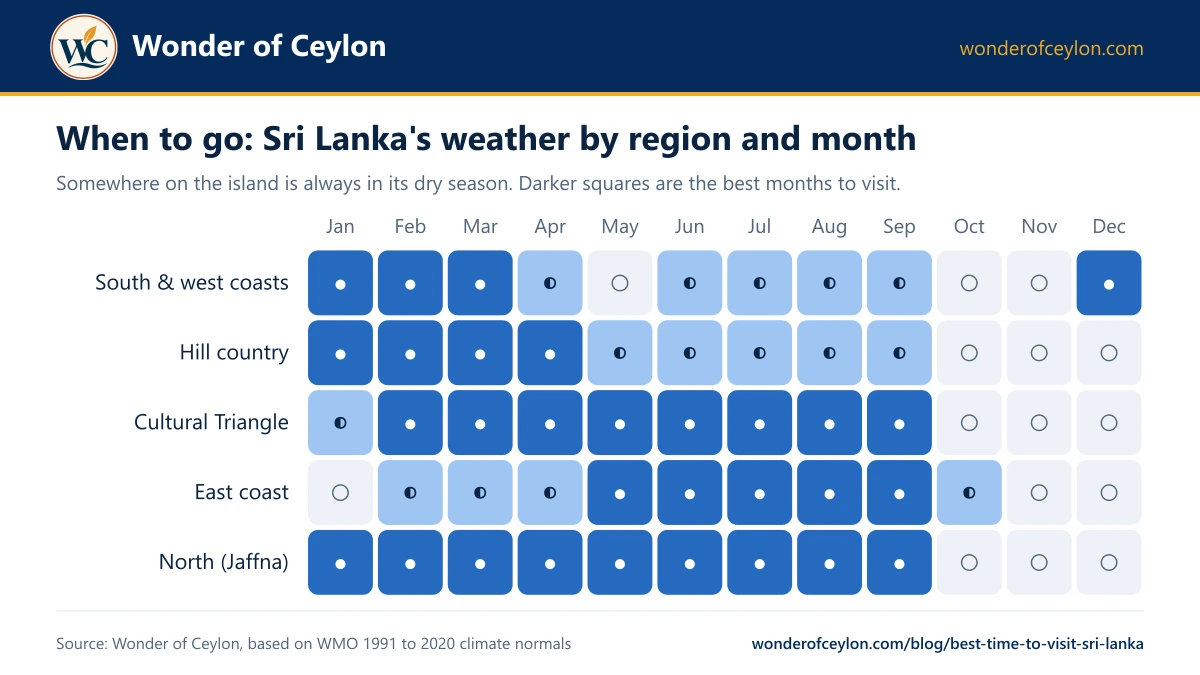
When to go: Sri Lanka's weather by region and month
Somewhere on the island is always in its dry season. Darker squares are the best months to visit.
 Download or share this chart
| Region | Jan | Feb | Mar | Apr | May | Jun | Jul | Aug | Sep | Oct | Nov | Dec |
|---|---|---|---|---|---|---|---|---|---|---|---|---|
| South & west coasts | Best | Best | Best | Mixed | Wet | Mixed | Mixed | Mixed | Mixed | Wet | Wet | Best |
| Hill country | Best | Best | Best | Best | Mixed | Mixed | Mixed | Mixed | Mixed | Wet | Wet | Wet |
| Cultural Triangle | Mixed | Best | Best | Best | Best | Best | Best | Best | Best | Wet | Wet | Wet |
| East coast | Wet | Mixed | Mixed | Mixed | Best | Best | Best | Best | Best | Mixed | Wet | Wet |
| North (Jaffna) | Best | Best | Best | Best | Best | Best | Best | Best | Best | Wet | Wet | Wet |
Region summary
| Region | Best time | Wettest time | Main places |
|---|---|---|---|
| South and west coasts | December to April | May, and October to November | Galle, Mirissa, Unawatuna, Bentota, Hikkaduwa, Colombo |
| Hill country | January to April | October to December | Kandy, Ella, Nuwara Eliya, Haputale |
| Cultural Triangle | February to September | October to January | Sigiriya, Dambulla, Anuradhapura, Polonnaruwa |
| East coast | May to September | November to January | Trincomalee, Nilaveli, Pasikudah, Arugam Bay |
| North | January to September | October to December | Jaffna |
South and west coasts
Galle · Mirissa · Unawatuna · Bentota · Colombo
Why: This is the dry season on this side of the island. Seas are calm for swimming. Whale watching runs from Mirissa. The beaches are at their best. It is also the busiest and most expensive time of year.
Hill country
Kandy · Ella · Nuwara Eliya
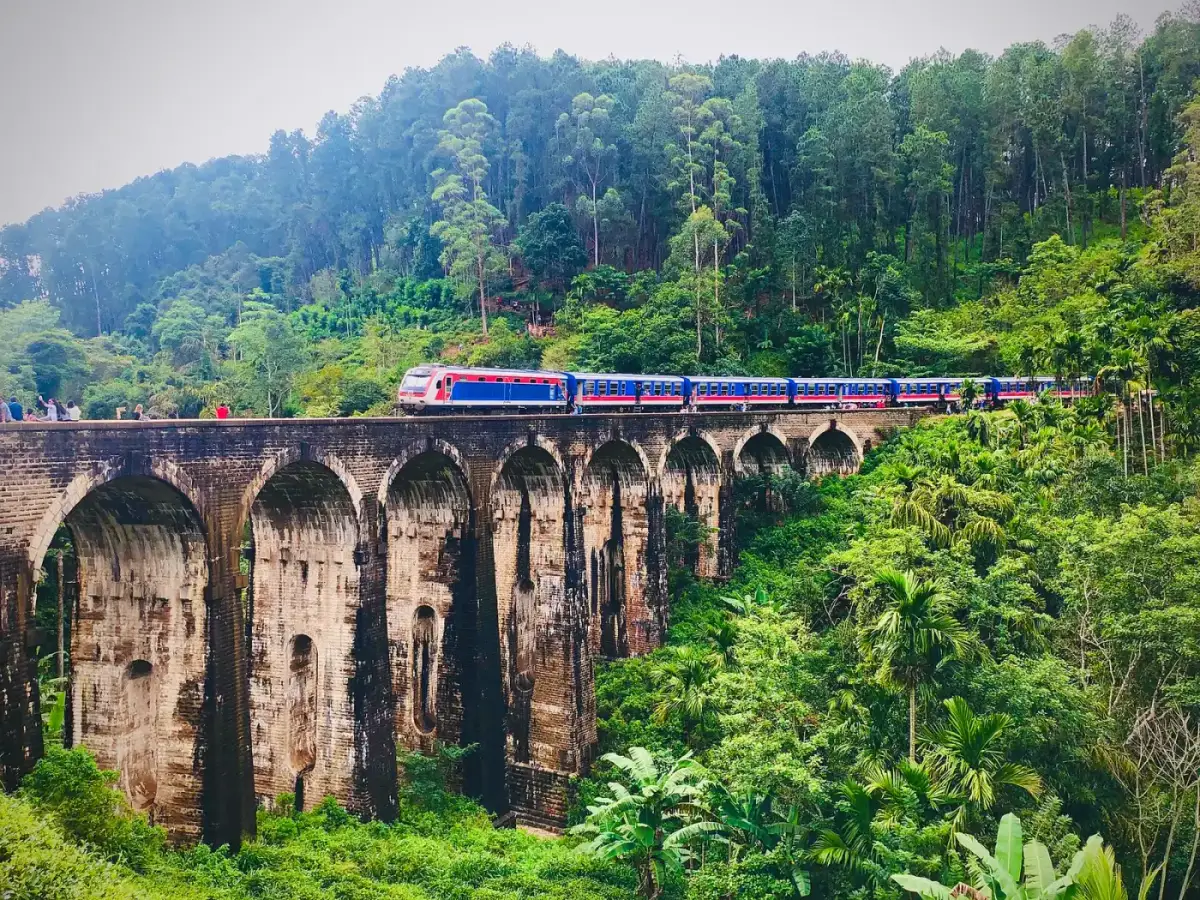
Why: These are the driest months in the mountains. Clear mornings for hiking, tea estate views, and the famous train ride between Kandy and Ella. Nights are cool all year.
Cultural Triangle
Sigiriya · Dambulla · Anuradhapura · Polonnaruwa
Why: This is the island's dry zone. It stays mostly dry outside the northeast monsoon. Expect real heat from April to August. Climb Sigiriya early in the morning.
East coast
Trincomalee · Nilaveli · Pasikudah · Arugam Bay
Why: While the southwest monsoon soaks the other side of the island, the east coast is dry and sunny. Calm beaches, snorkelling at Pigeon Island, surfing at Arugam Bay.
North
Jaffna
Why: The north gets most of its rain from the northeast monsoon between October and December. Hot and dry the rest of the year.
Shoulder months
April, and September to November. These months sit between the monsoons. Expect afternoon thunderstorms that can affect both coasts. Fewer visitors and lower prices. Excellent value if you stay flexible.
Sri Lanka's Two Monsoons, Explained
Sri Lanka's weather is shaped by two monsoon systems that blow from opposite directions.
Sri Lanka's monsoon year
- January: Northeast monsoon
- February: Northeast monsoon
- March: Inter-monsoon
- April: Inter-monsoon
- May: Southwest monsoon
- June: Southwest monsoon
- July: Southwest monsoon
- August: Southwest monsoon
- September: Southwest monsoon
- October: Inter-monsoon
- November: Northeast monsoon and Inter-monsoon
- December: Northeast monsoon
The southwest monsoon (Yala)
Roughly May to September
Winds from the Indian Ocean bring heavy rain to the west and south coasts and the western slopes of the hill country. The east and north stay mostly dry because the mountains block the rain clouds.
The northeast monsoon (Maha)
Roughly November to February
Winds from the Bay of Bengal bring rain to the north and east coasts and the eastern hills. The south and west coasts are in their dry season at this time.
The inter-monsoon periods
March to April and October to November
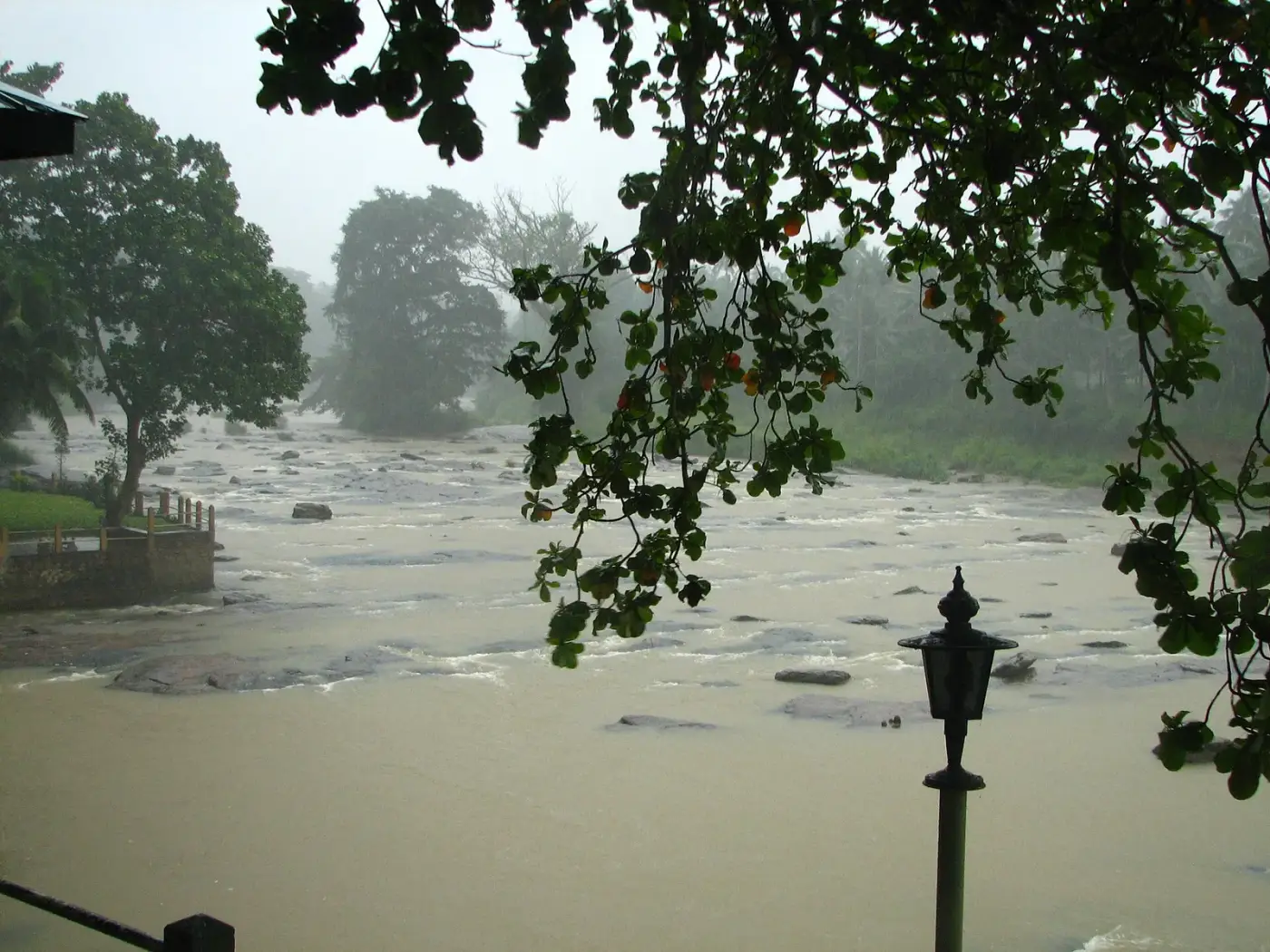
Between the two monsoons, the winds are light and the weather is less predictable. Mornings are often clear, with thunderstorms building in the afternoon. October and November are the wettest months of the year in Colombo and Galle. Many visitors find this surprising. The official averages below show it clearly.
A monsoon in Sri Lanka rarely means rain all day. More often it means heavy showers, rough seas, and grey skies on one side of the island while the other side stays sunny. Follow the dry coast.
Sri Lanka Weather and Temperature by Month
Long-term climate averages (1991 to 2020 normals published by the World Meteorological Organization) for four weather stations that represent the main regions you are likely to visit.
| Month | Colombo (west) | Galle (south) | Nuwara Eliya (hills) | Trincomalee (east) |
|---|---|---|---|---|
| January | 31 / 23°C, 80 mm | 30 / 23°C, 87 mm | 20 / 10°C, 116 mm | 29 / 24°C, 152 mm |
| February | 32 / 24°C, 77 mm | 31 / 24°C, 71 mm | 21 / 10°C, 73 mm | 30 / 24°C, 96 mm |
| March | 32 / 25°C, 103 mm | 32 / 25°C, 90 mm | 22 / 11°C, 72 mm | 32 / 25°C, 72 mm |
| April | 32 / 25°C, 249 mm | 31 / 25°C, 202 mm | 23 / 12°C, 134 mm | 33 / 26°C, 55 mm |
| May | 32 / 26°C, 314 mm | 30 / 26°C, 316 mm | 22 / 13°C, 172 mm | 35 / 26°C, 48 mm |
| June | 31 / 26°C, 197 mm | 29 / 26°C, 184 mm | 19 / 14°C, 168 mm | 35 / 26°C, 26 mm |
| July | 30 / 26°C, 123 mm | 29 / 25°C, 173 mm | 19 / 14°C, 155 mm | 35 / 26°C, 51 mm |
| August | 30 / 26°C, 116 mm | 29 / 25°C, 162 mm | 19 / 13°C, 132 mm | 35 / 26°C, 67 mm |
| September | 30 / 25°C, 264 mm | 29 / 25°C, 261 mm | 20 / 13°C, 161 mm | 35 / 25°C, 113 mm |
| October | 30 / 25°C, 359 mm | 29 / 25°C, 345 mm | 20 / 13°C, 247 mm | 32 / 25°C, 216 mm |
| November | 31 / 24°C, 346 mm | 30 / 24°C, 283 mm | 20 / 12°C, 226 mm | 30 / 24°C, 376 mm |
| December | 31 / 24°C, 171 mm | 30 / 24°C, 176 mm | 19 / 12°C, 183 mm | 29 / 24°C, 339 mm |
Average daily high / low temperature and average monthly rainfall. Bold marks the driest and wettest months at each station.
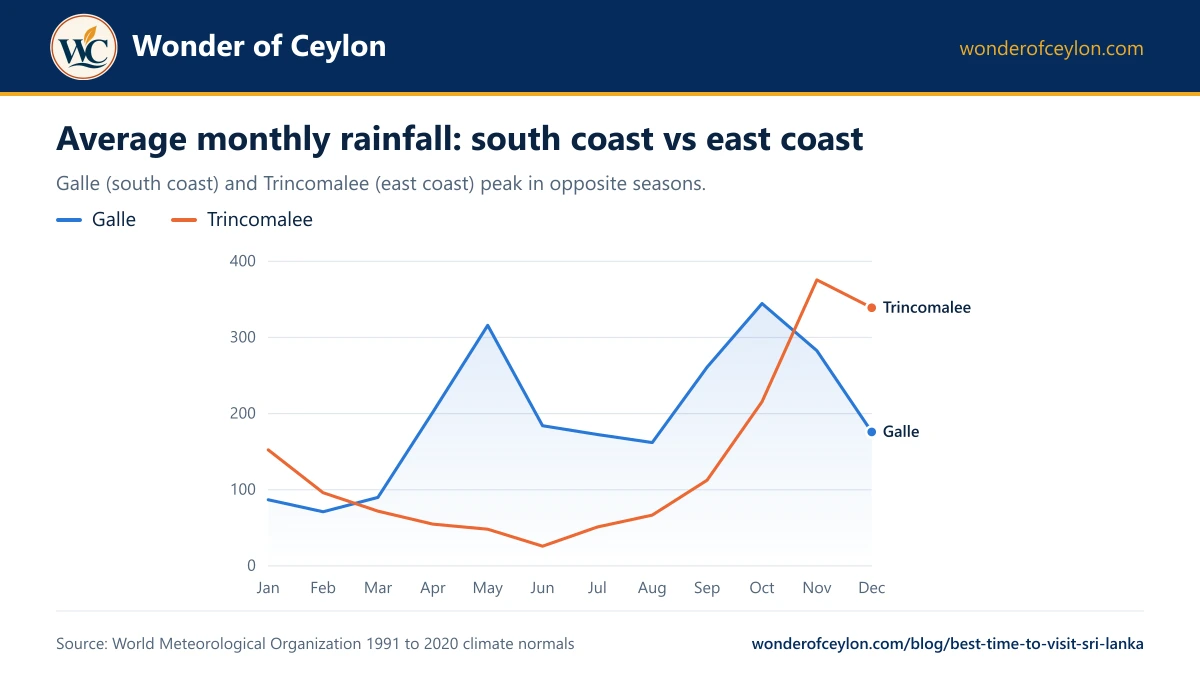
Average monthly rainfall: south coast vs east coast
Galle (south coast) and Trincomalee (east coast) peak in opposite seasons.
 Download or share this chart
Three patterns matter.
The coast is hot all year. Daytime highs in Colombo and Galle stay between 29°C and 32°C in every month. You do not need to choose a season for warmth, only for dry weather.
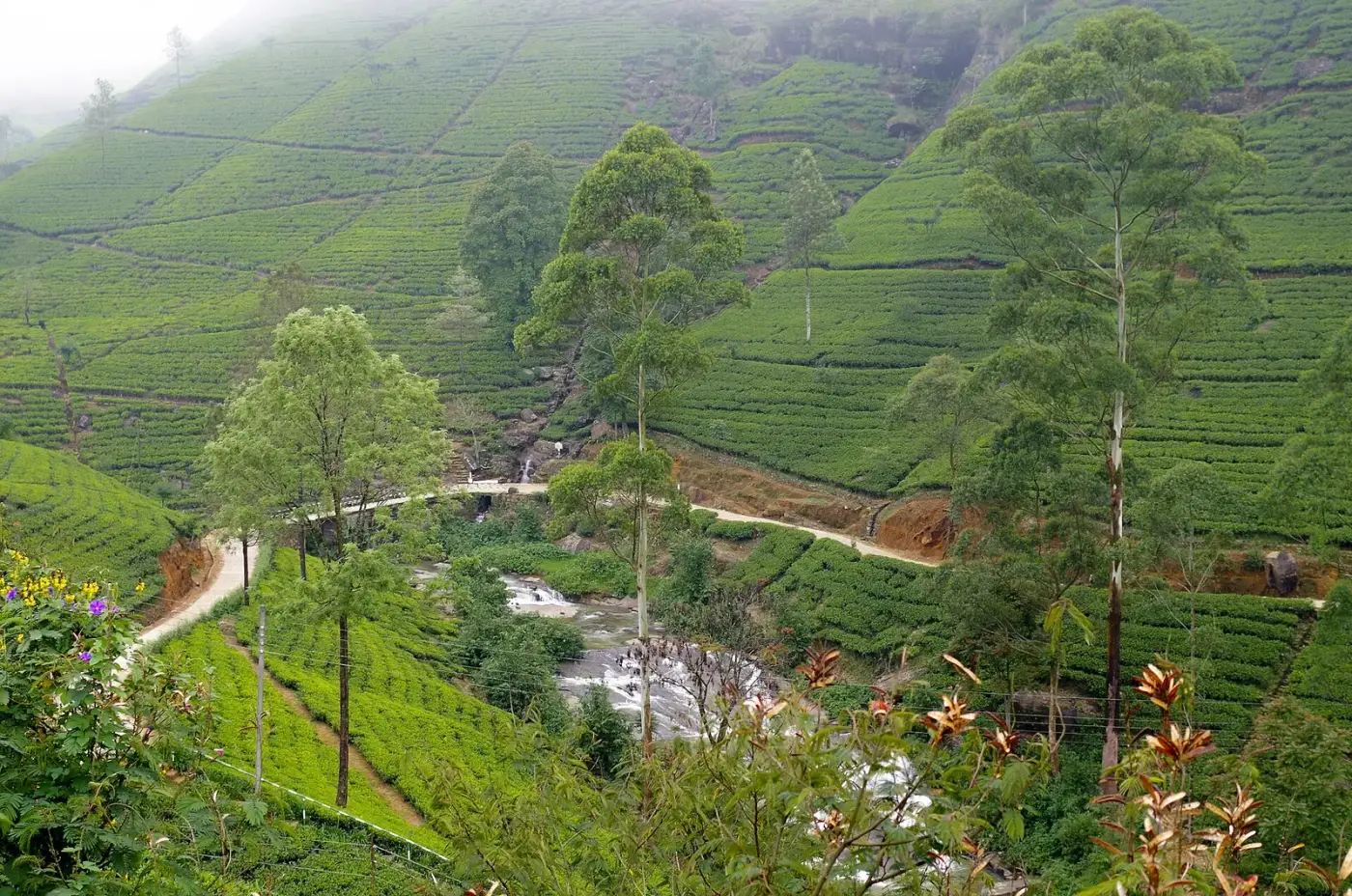
The hill country is properly cool. Nuwara Eliya sits at around 1,900 metres, with highs of about 20°C and nights that drop to 10°C from January to March. Pack a warm layer.
The two coasts are mirror images. Galle's driest month is February (71 mm). Its wettest is October (345 mm). Trincomalee's driest is June (26 mm). Its wettest is November (376 mm).
Weather patterns shift from year to year. Check the latest seasonal outlook from Sri Lanka's Department of Meteorology in the weeks before you travel.
How Busy Is Sri Lanka Each Month?
Weather is only half the decision. Crowds and prices follow arrival numbers. Sri Lanka publishes these every month.
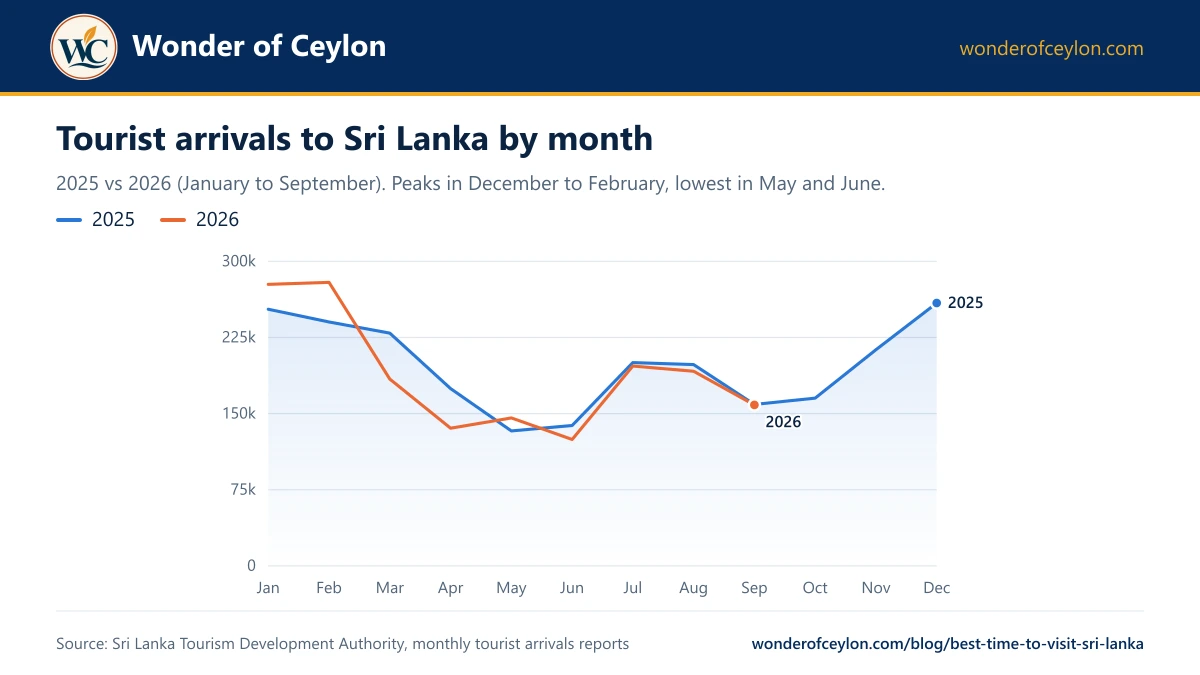
Tourist arrivals to Sri Lanka by month
2025 vs 2026 (January to September). Peaks in December to February, lowest in May and June.
 Download or share this chart
| Month | 2024 arrivals | 2025 arrivals | 2026 arrivals |
|---|---|---|---|
| January | 208,253 | 252,761 | 277,327 |
| February | 218,350 | 240,217 | 279,328 |
| March | 209,181 | 229,298 | 183,979 |
| April | 148,867 | 174,608 | 135,643 |
| May | 112,128 | 132,919 | 145,745 |
| June | 113,470 | 138,241 | 124,551 |
| July | 187,810 | 200,244 | 196,845 |
| August | 164,609 | 198,235 | 191,704 |
| September | 122,140 | 158,971 | 158,557 |
| October | 135,907 | 165,193 | |
| November | 184,158 | 212,906 | |
| December | 248,592 | 258,928 | |
| Total | 2,053,465 | 2,362,521 | 1,693,679 (Jan to Sep) |
Source: Sri Lanka Tourism Development Authority monthly tourist arrivals reports.
December to February is peak season. In 2025, December brought 258,928 visitors. That is almost twice as many as May (132,919). February 2026 was the busiest month in these figures at 279,328.
May, June, and September are the quietest months. They fall at the start and end of the southwest monsoon. This is exactly when hotels on the south and west coasts offer their lowest rates.
July and August are busier than many people expect. That is the European summer holiday season. It is also when the east coast has its best weather.
When do European and Australian travellers visit?
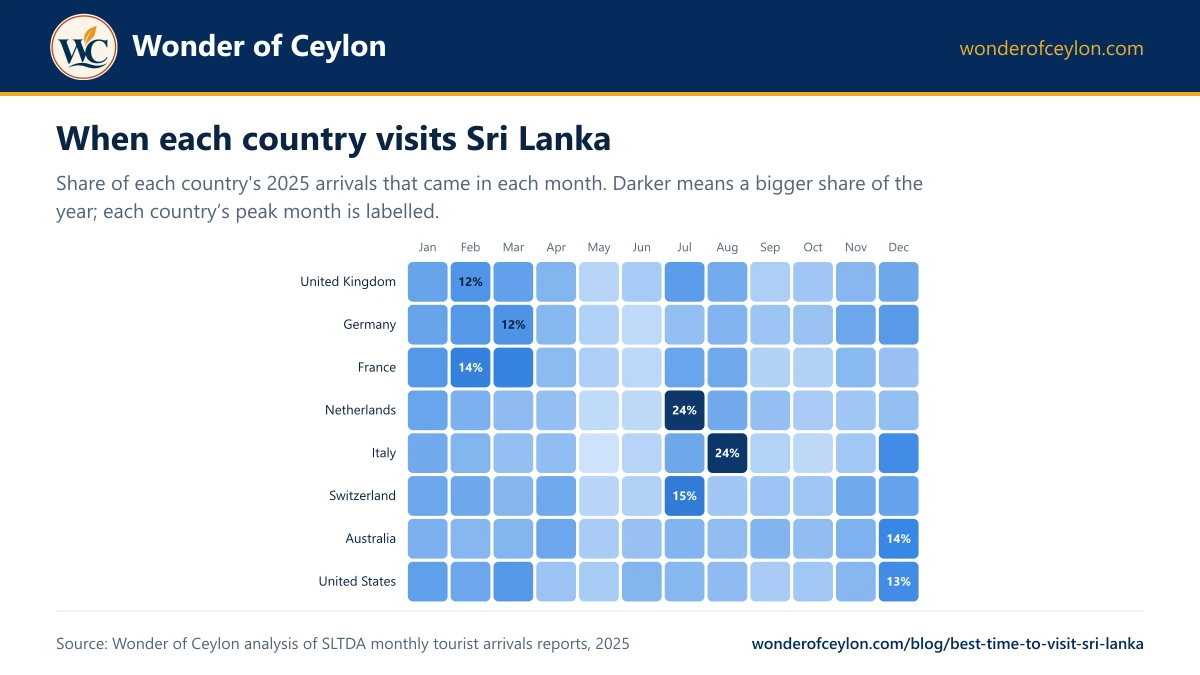
We broke down the official monthly reports by country of residence for 2025. The patterns are very different from one market to another. They show how travellers use the two seasons.
When each country visits Sri Lanka
Share of each country's 2025 arrivals that came in each month. Darker means a bigger share of the year; each country’s peak month is labelled.
 Download or share this chart
| Country | 2025 arrivals | Peak months | Pattern |
|---|---|---|---|
| United Kingdom | 212,277 | February, July, March | Two peaks: winter sun and the summer school holidays. July (23,475) beat January (21,730) |
| Germany | 147,966 | March, February, December | Winter sun. June is the quietest month, at about a third of March |
| France | 109,041 | February, March, January | Mostly winter, with a smaller second wave in July and August |
| Australia | 109,487 | December, April, January | Busy all year, with Christmas and Easter school holiday peaks |
| United States | 65,973 | December, March, January | Mostly winter |
| Netherlands | 64,164 | July | A quarter of the year's Dutch visitors arrive in July alone |
| Italy | 50,430 | August | A quarter of the year's Italian visitors arrive in August |
| Switzerland | 33,624 | July, December, January | Summer and winter |
Source: Wonder of Ceylon analysis of SLTDA monthly tourist arrivals reports, January to December 2025.
Winter travellers head for the south and west coasts. Summer travellers who know the island head east. Both groups are getting good weather. They are just on opposite coasts.
Sri Lanka Month by Month
January
January is the heart of peak season and one of the best months to visit most of the island. The south and west coasts are dry, sunny, and calm. The hill country has crisp, clear mornings. Whale watching is in full swing at Mirissa.
Weather: dry on the south and west coasts. Cool nights in the hills (around 10°C in Nuwara Eliya). The tail of the northeast monsoon can still bring showers to the east coast.
Go to: Galle, Mirissa, Unawatuna, the hill country, the Cultural Triangle, Yala.
Avoid: the east coast is not at its best yet.
Crowds: very busy. January 2026 brought 277,327 visitors. Book hotels and drivers early.
February
February is often the single best month for a full round trip. It is the driest month in both Galle and Nuwara Eliya. The seas on the south coast are calm. You can combine beaches, hills, and ancient cities in one trip.
Weather: the driest month on the south coast and in the hill country.
Go to: everywhere except the east coast, which is only just drying out.
Crowds: peak. February 2026 was the busiest month in the figures above (279,328 arrivals).
March
March is still excellent for the south, west, and hill country. The Cultural Triangle is hot and dry. Prices begin to ease towards the end of the month as the peak season winds down.
Weather: dry and hot. Occasional afternoon showers from late March as the inter-monsoon begins.
Go to: the south and west coasts, hill country, Sigiriya, Yala.
Good to know: this is the last full month of the Adam's Peak pilgrimage season. It ends at Vesak in May.
April
April is a shoulder month. Mornings are usually clear. Afternoon thunderstorms become common across the island as the first inter-monsoon period begins.
Weather: hot and humid. Afternoon storms. The east coast starts drying out.
Go to: the hill country, Cultural Triangle, and the east coast in the second half of the month.
Good to know: the Sinhala and Tamil New Year falls on 13 and 14 April. A lovely time to see family traditions. Many shops close for a few days. Transport is busy as people travel home.
May
May marks the start of the southwest monsoon. It is one of the wettest months on the south and west coasts and one of the quietest months for visitors.
Weather: heavy rain and rough seas on the south and west coasts. Dry and hot on the east coast.
Go to: Trincomalee, Nilaveli, Pasikudah, Arugam Bay (the surf season starts), the Cultural Triangle.
Avoid: swimming on the south and west coasts. Currents can be dangerous.
Good to know: Vesak, the Buddhist festival marking the Buddha's birth, enlightenment, and passing, falls on the full moon in May. Towns are lit with lanterns. Many free food stalls (dansal) appear by the roadside.
June
June is quiet, green, and good value. The southwest monsoon is well established. The east coast is at its driest. Trincomalee averages just 26 mm of rain in June.
Weather: wet on the west and south coasts. Sunny and very hot on the east coast.
Go to: the east coast, the north, the Cultural Triangle.
Crowds: quiet. June is one of the cheapest months for hotels on the south coast.
July
July is east coast season and European summer holiday season. It is busier than June, especially with British, Dutch, and Swiss families.
Weather: the west and south get lighter rain than in May. The east coast is dry, hot, and calm.
Go to: the east coast, Arugam Bay for surfing, the Cultural Triangle, Minneriya for the elephant gathering.
Good to know: the Kandy Esala Perahera, Sri Lanka's most famous festival, takes place in July or August following the lunar calendar. Kandy fills up and hotel prices rise sharply that week.
August
August is similar to July and is particularly popular with Italian travellers. They made up a quarter of their year's arrivals in August 2025.
Weather: dry and hot on the east coast. Lighter showers on the south and west coasts.
Go to: the east coast, Minneriya and Kaudulla for the elephant gathering, Jaffna.
Crowds: busy on the east coast. Quieter in the south.
September
September is a shoulder month and one of the quietest of the year for visitors. The east coast is still good early in the month. Rain starts to increase on the west and south coasts.
Weather: changeable. Showers return to Colombo and Galle (around 260 mm on average).
Go to: the east coast in the first half of the month, the Cultural Triangle, the north.
Good to know: parts of Yala National Park (Blocks 1 and 2) usually close for about a month, from around mid-September to mid-October, so the wildlife can recover during the driest part of the year. In 2026 the closure ran from 14 September to 15 October. Check with the Department of Wildlife Conservation before planning a Yala safari in this period.
October
October is the wettest month in Colombo and Galle. The weather becomes unsettled across most of the island as the second inter-monsoon period begins.
Weather: heavy afternoon and evening storms in the west, south, and hill country. The east coast starts to get wetter later in the month.
Go to: the Cultural Triangle and the north can still be pleasant. This is a month for flexible plans rather than beach holidays.
Crowds: quiet, with good discounts.
November
November is a transition month. The south and west start to dry out towards the end of the month. The northeast monsoon arrives in the east.
Weather: the wettest month in Trincomalee (376 mm). Improving on the south coast as December approaches.
Go to: the south and west coasts from mid to late November. Mirissa's whale season begins.
Avoid: the east coast.
Crowds: rising fast. November 2025 brought 212,906 visitors.
December
December is the start of peak season on the south and west coasts and the busiest month of the year overall.
Weather: the south and west are mostly dry and sunny. The east and north get the northeast monsoon rains.
Go to: Galle, Mirissa, Unawatuna, Bentota, Yala, the hill country (the Adam's Peak season opens with the December full moon).
Crowds: the busiest month of the year (258,928 visitors in December 2025). The weeks around Christmas and New Year are the most expensive. Book well in advance.
Best Time to Visit Each Destination
Galle, Unawatuna, and Mirissa: December to April. The south coast's driest months, with calm seas for swimming and snorkelling. Avoid May and October if you want beach days.
Colombo: December to March. The city is hot all year. These months have the least rain.
Kandy: January to April. Kandy is warm by day and pleasant at night. Visit in July or August if you want to see the Esala Perahera. Book far ahead if you do.
Ella and Nuwara Eliya: January to April for the clearest views and driest hiking. Mist is common in the afternoons all year. Start hikes like Little Adam's Peak and Ella Rock early.
Sigiriya, Dambulla, and Polonnaruwa: February to September. Climb Sigiriya at opening time to avoid the midday heat and the crowds.
Trincomalee, Nilaveli, and Pasikudah: May to September, with June the driest month. The sea is calm and clear for snorkelling at Pigeon Island.
Arugam Bay: May to September for the main surf season. It is quiet and many places close from November to March.
Jaffna: January to September. It is hot from April to August. Plan sightseeing for mornings and evenings.
Best Time for Whale Watching, Safaris, Surfing and Hiking
| Activity | Where | Best time |
|---|---|---|
| Whale watching (blue whales) | Mirissa, south coast | November to April, best December to April |
| Whale watching | Trincomalee, east coast | May to August, sometimes into September |
| Leopard safari | Yala National Park | February to July. Blocks 1 and 2 usually close mid-September to mid-October |
| Elephant gathering | Minneriya and Kaudulla | July to September, peaking in August and September |
| Elephant safari | Udawalawe | All year |
| Surfing | Arugam Bay, east coast | May to September |
| Surfing | Weligama, Hiriketiya, Hikkaduwa | November to April |
| Adam's Peak (Sri Pada) climb | Hill country | December to May (the pilgrimage season) |
| Hill country train | Kandy to Ella | All year. Clearest views January to April |
Whale watching. Mirissa is one of the best places in the world to see blue whales. Its season mirrors the south coast's dry season. On the east coast, boats run from Trincomalee in the summer months instead. Always choose a licensed operator that keeps a respectful distance from the whales.
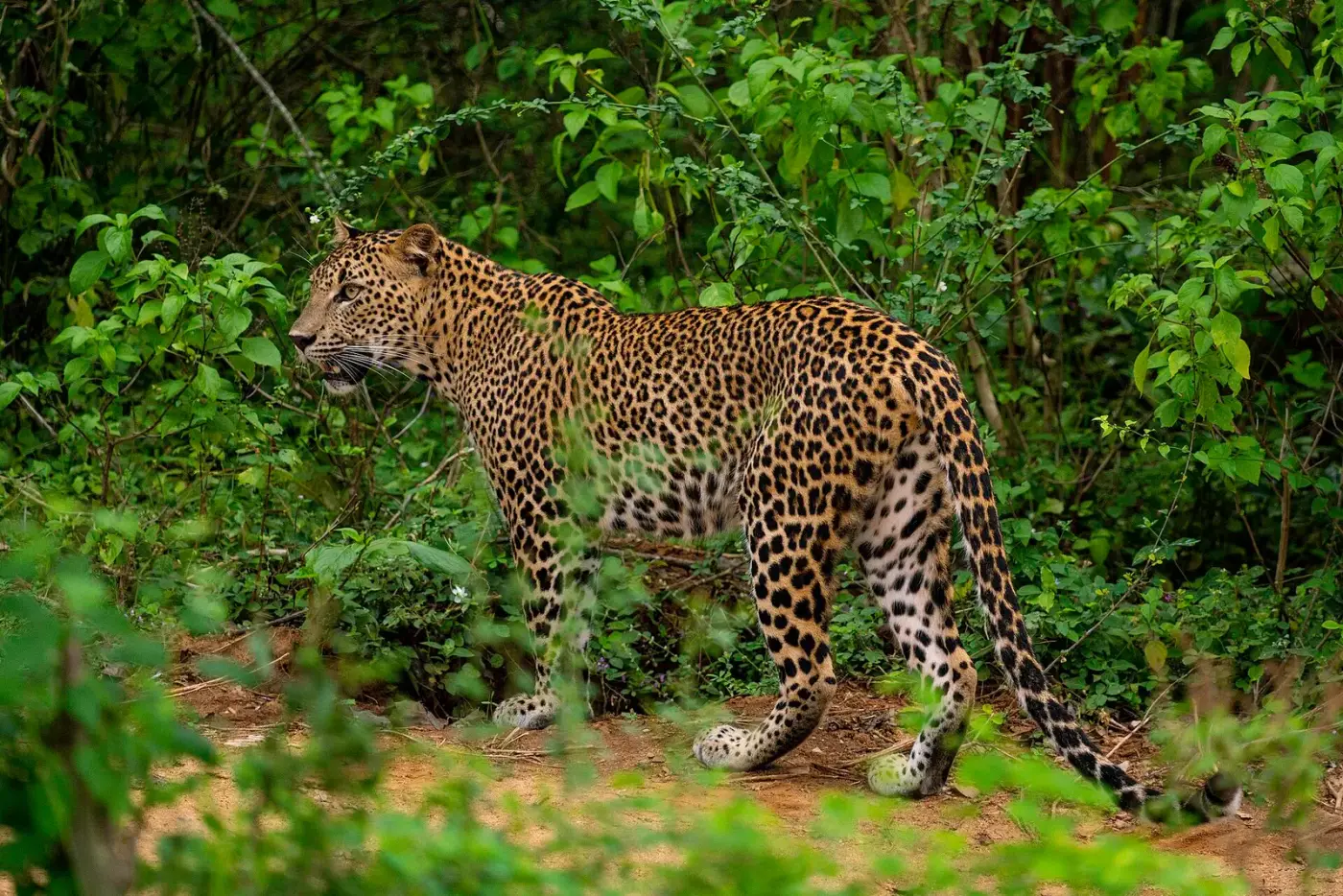
Safaris. Yala is famous for leopards. The dry months make them easier to spot near waterholes. Minneriya's elephant gathering, when hundreds of elephants come to the shrinking reservoir to feed and drink, is one of Asia's great wildlife sights.
Surfing. The surf follows the monsoons too. Arugam Bay works in the European summer. The south coast breaks work in the European winter.
Hiking. The pilgrimage season on Adam's Peak runs from the full moon in December to the full moon in May. The path is lit and the tea houses are open. The climb is possible outside the season, but it is wetter, darker, and not recommended for most visitors.
Best Time for Beaches in Sri Lanka
For a beach holiday, pick the coast that matches your travel dates.
December to April: the south and west coasts. Mirissa, Unawatuna, Hiriketiya, Tangalle, Bentota, and Hikkaduwa are all at their best.
May to September: the east coast. Trincomalee, Nilaveli, Uppuveli, and Pasikudah have calm, clear water while the south coast has big waves.
October and November: the hardest months for a pure beach holiday anywhere on the island.
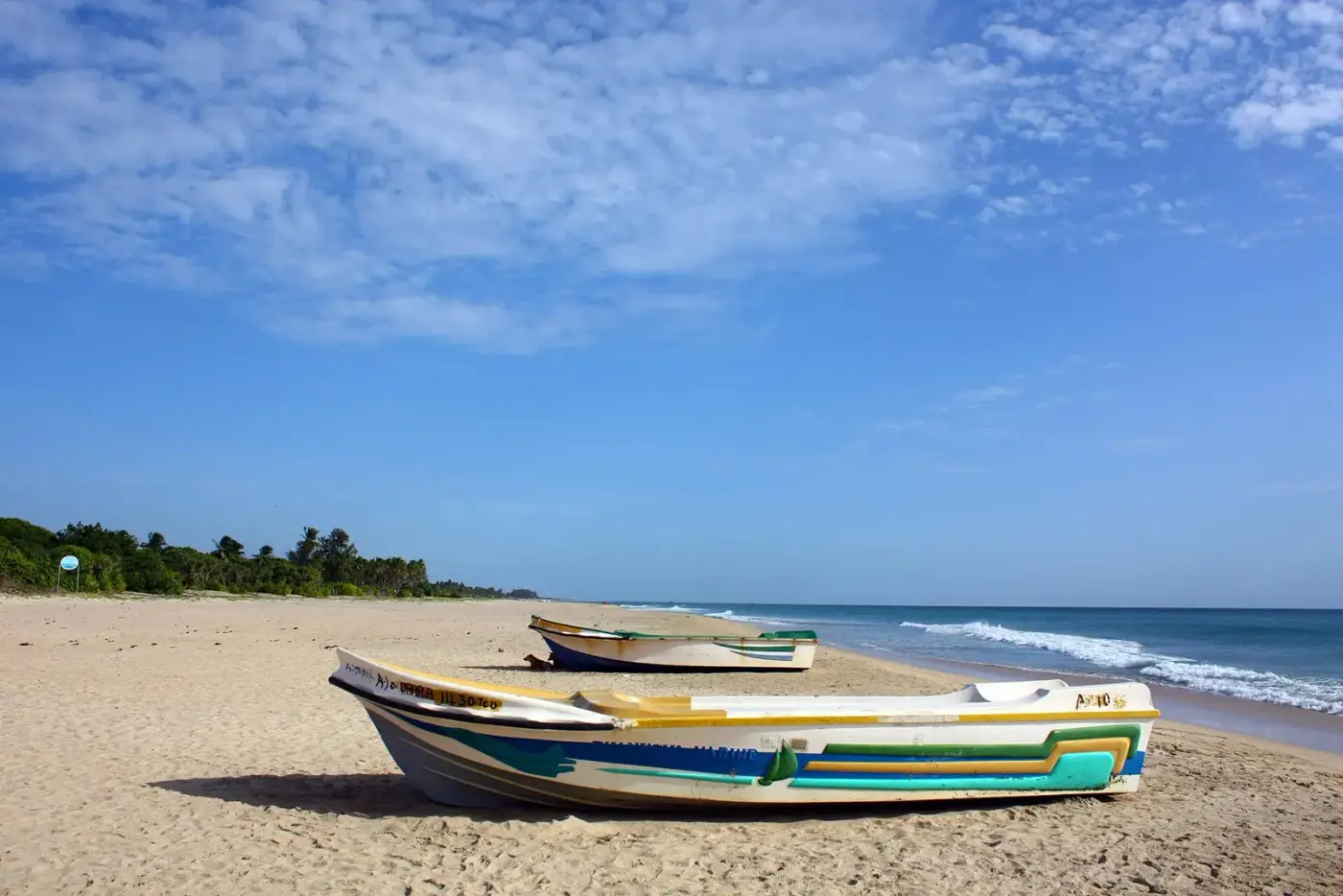
The sea matters as much as the rain. During the southwest monsoon, the south and west coasts can have strong currents and big waves even on sunny days. Always swim where locals swim. Look out for red flags.
Best Time to Visit Sri Lanka and the Maldives Together
December to April is the best window for combining Sri Lanka and the Maldives. The Maldives is in its dry northeast monsoon season during these months. This is exactly the same time as Sri Lanka's south and west coasts and hill country dry season.
From May to October, the Maldives is in its wetter southwest monsoon season. You can still combine the two, using Sri Lanka's east coast. Expect more rain and choppier transfers in the Maldives.
Flights between Colombo and Malé take about 90 minutes. A two-centre trip is easy to arrange.
Worst Time to Visit Sri Lanka
There is no month when the whole island is wet. The worst time depends on where you want to go.
South and west coasts: May, and October to November, are the wettest months.
East coast: November to January are the wettest months.
Hill country: October to December are the wettest months. The mist can hide the views.
If your dates are fixed and fall in one of these windows, plan your route around the other side of the island. Many travellers who visit in "the monsoon" have a great trip because they follow the dry coast.
Peak Season, Low Season and the Cheapest Time to Visit
| Season | Months | What to expect |
|---|---|---|
| Peak | December to March | Best weather in the south and west. Highest prices. Book early, especially around Christmas and New Year |
| Shoulder | April, and September to November | Mixed weather. Fewer visitors. Good discounts |
| Low (south and west) | May to August | Wetter on the south and west coasts. Peak season on the east coast |
The cheapest months to visit Sri Lanka are usually May, June, and September. They have the fewest visitors of the year according to the official arrival figures. They are also when many south and west coast hotels lower their rates. You get green landscapes and quieter sites everywhere.
To compare what your trip will cost in different seasons, try our Sri Lanka trip cost calculator, which estimates a daily budget for accommodation, food, and transport.
Festivals and Holidays by Month
| Festival | When | What happens |
|---|---|---|
| Duruthu Perahera | January full moon | A colourful procession at Kelaniya Temple near Colombo |
| Thai Pongal | Mid-January | The Tamil harvest festival, celebrated in the north and east |
| Sinhala and Tamil New Year | 13 and 14 April | Family traditions, games, and food. Many businesses close for a few days |
| Vesak | May full moon | Lanterns, decorations, and free food stalls across the country |
| Poson | June full moon | Celebrates the arrival of Buddhism. Pilgrims gather at Mihintale |
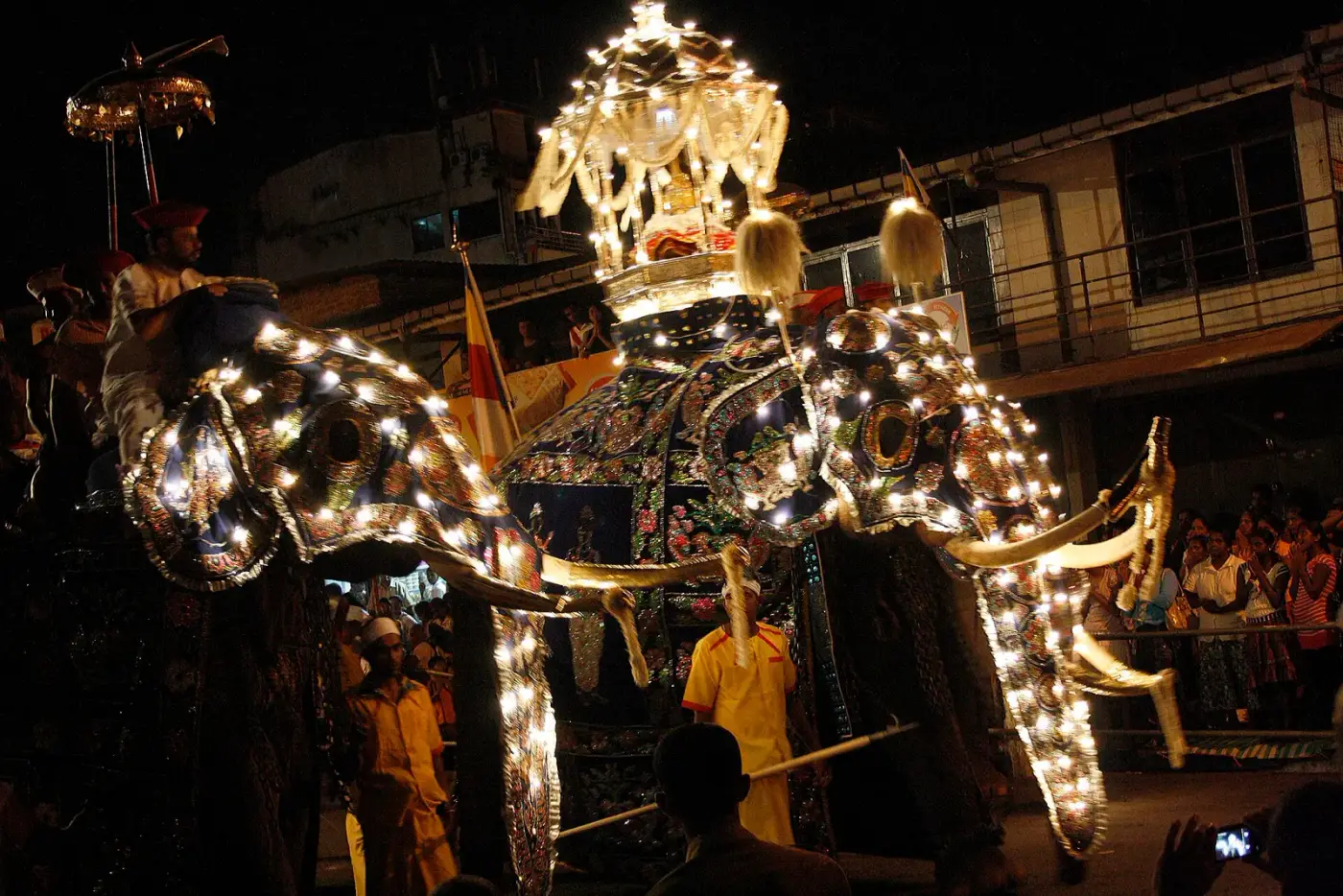
| Kandy Esala Perahera | July or August | Ten nights of processions with dancers, drummers, and decorated elephants |
| Nallur Festival | August | A 25-day Hindu temple festival in Jaffna |
| Deepavali | October or November | The Hindu festival of lights |
| Christmas | 25 December | Celebrated widely, especially in Colombo and Negombo |
Poya days. Every full moon is a public holiday in Sri Lanka, called a Poya day. The sale of alcohol is not allowed. Some shops close. Check the full moon dates before you plan a big night out.
How to Plan Your Trip Around the Seasons
Start with your dates, not your destinations. Work out which side of the island is dry when you can travel.
Build a route that follows the dry coast. A two-week trip in February might run Colombo, Sigiriya, Kandy, Ella, Yala, and the south coast. The same trip in July works better as Colombo, Sigiriya, Kandy, Ella, and then the east coast.
Leave a buffer day. Short tropical storms can delay trains and road journeys, especially in the hill country.
Book early for peak dates. The best hotels, drivers, and train seats for late December to February go months in advance. Searches for Sri Lanka holidays from the UK more than double in January compared with the summer months according to Google Ads Keyword Planner data. Plan before the rush.
Sort your entry permit in advance. Check the latest Sri Lanka visa and ETA requirements a few weeks before you fly.
Sri Lanka is easiest to explore with a mix of trains, transfers, and short tuk-tuk rides. Our guide to getting around Sri Lanka explains which option works best on each route. If you would rather not manage the connections yourself, you can hire a private driver in Sri Lanka for the whole trip.
Final Thoughts
There is no single best month to visit Sri Lanka, because the island has two seasons running at the same time. December to April is the classic choice for the south, west, and hill country. May to September belongs to the east coast. Even the shoulder months work well if you follow the dry side of the island.
Choose your dates first. Then let the weather choose your coast.
Sources: World Meteorological Organization 1991 to 2020 climate normals. Sri Lanka Tourism Development Authority monthly tourist arrivals reports. Sri Lanka Department of Meteorology seasonal outlooks. Department of Wildlife Conservation park closure notices. Checked October 10, 2026.
FAQs About the Best Time to Visit Sri Lanka
What is the best month to go to Sri Lanka?
February is often the best single month for a full round trip. It is the driest month in both Galle and Nuwara Eliya. The south coast seas are calm. You can combine beaches, hills, and ancient cities in one trip without dealing with monsoon rain anywhere.
What is the rainy season in Sri Lanka?
Sri Lanka has two rainy seasons. The southwest monsoon runs May to September and affects the west and south coasts and the hill country. The northeast monsoon runs November to February and affects the east coast and the north. October and November are the wettest months in Colombo and Galle because they fall between the two monsoons.
Which is the cheapest month to visit Sri Lanka?
May, June, and September are usually the cheapest months. They have the fewest visitors of the year according to SLTDA arrival figures. Many south and west coast hotels lower their rates during these months. The weather on the south and west coasts is wet, but the east coast and Cultural Triangle are still good options.
Is 7 days enough for Sri Lanka?
Seven days is enough for two regions if you move efficiently. A common seven-day route covers the Cultural Triangle, the hill country, and the south coast. Trying to see the whole island in seven days means spending most of it in a vehicle. Pick two regions and do them well.
Is it worth visiting Sri Lanka during the monsoon?
Yes, if you follow the dry coast. When the southwest monsoon hits the south and west coasts, the east coast is dry and sunny. When the northeast monsoon hits the east, the south and west coasts are at their best. Somewhere on the island is always in season.
When is whale watching season in Sri Lanka?
Mirissa on the south coast runs whale watching trips from November to April, with December to April the best window. Trincomalee on the east coast runs trips from May to August, sometimes into September. Both seasons line up with the dry season on their respective coasts.
Is December a good time to visit Sri Lanka?
Yes, if you stay on the south or west coast. December is the start of peak season there, with dry weather and calm seas. The east coast and north get the northeast monsoon rains during December. December is also the busiest month of the year, so book early.
What is the best time to visit Sri Lanka for beaches?
December to April for the south and west coasts, including Mirissa, Unawatuna, and Bentota. May to September for the east coast, including Trincomalee, Nilaveli, and Pasikudah. October and November are the hardest months for a pure beach holiday anywhere on the island.
What is the hottest month in Sri Lanka?
Trincomalee on the east coast is hottest from May to September, with average highs of 35°C. Colombo and Galle stay between 29°C and 32°C year round. The hill country is much cooler. Nuwara Eliya averages 20°C during the day and drops to 10°C at night in the dry season.
Related Articles
Driving in Sri Lanka as a Tourist: The 2026 Self-Drive Guide
Can tourists drive in Sri Lanka? Yes, with the right permit. The IDP recognition rule most visitors miss, road rules, how safe it is, the best routes, and when a private driver makes more sense.
Read MoreSri Lanka Visa and ETA: Everything You Need Before You Fly
Sri Lanka made its tourist visa free for 40 countries in May 2026. Here is who qualifies, what it still costs everyone else, and how to apply without getting stung by a fake visa site.
Read MoreHow to Get Around Sri Lanka: Complete Transport Guide for Tourists
Not sure whether to use trains, buses, tuk-tuks, taxis or a private driver in Sri Lanka? This guide explains where each option works best, what to book ahead and how to mix transport without making your trip harder.
Read MoreWritten by
Ashan LokugeTravel writer
Ashan Lokuge is a content writer, SEO specialist and software engineer at Wonder of Ceylon. He travels all nine provinces of Sri Lanka to research every guide in person, focusing on the places most travel guides miss.
View all posts by Ashan