01
Mannar Island
Explore a low-lying island landscape of fishing communities, old buildings and wide coastal views.
Mannar District combines island and mainland landscapes, shallow seas, birdlife, historic churches and one of Sri Lanka's most atmospheric remote coastlines.
Mannar District feels remote even by northern Sri Lankan standards. Wide skies, salt flats, lagoons and low-lying coasts create a landscape very different from the hill country.
Mannar Island is the main visitor focus, with historic religious sites, unusual baobab trees, fishing communities and the road toward Talaimannar.
December to March for many birding trips
Conditions are often more comfortable in these months, while birding interest is strongly seasonal.
Explore a low-lying island landscape of fishing communities, old buildings and wide coastal views.
Seasonal birdlife and shallow-water habitats are among the district's strongest nature experiences.
The far western edge gives a strong sense of geographic remoteness and maritime history.
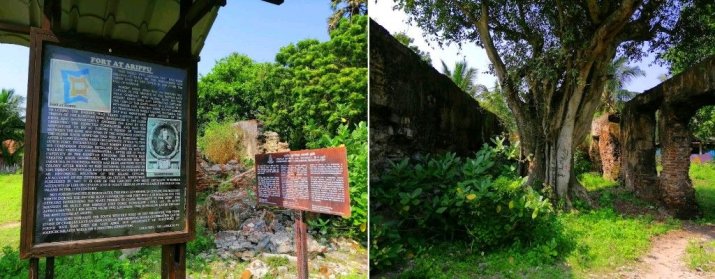 Attractions
Mannar
Arippu Dutch Fort is an attraction in Mannar.
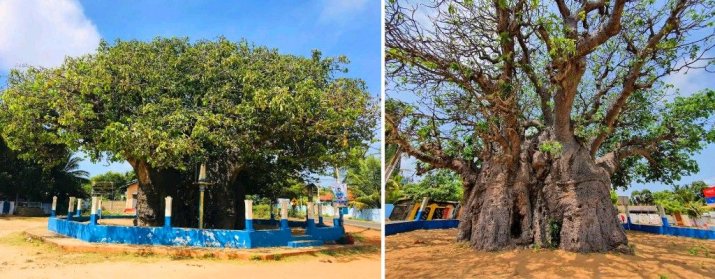 Attractions
Mannar
Baobab Tree Pallimunai, Mannar is an attraction in Mannar.
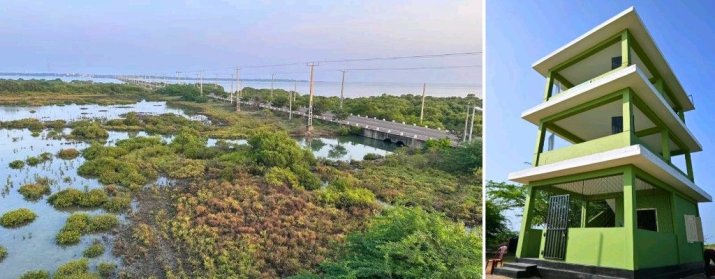 Wildlife
Mannar
Bird Watching Tower is a wildlife spot in Mannar.
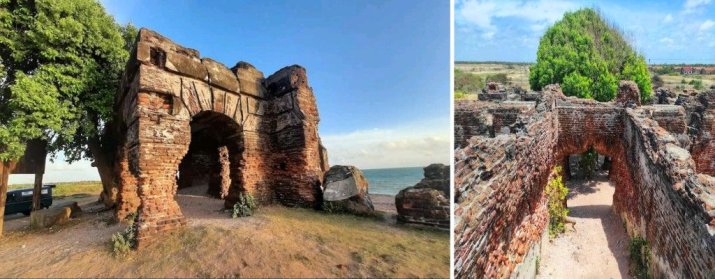 Attractions
Mannar
Doric Bungalow is an attraction in Mannar.
 Attractions
Mannar
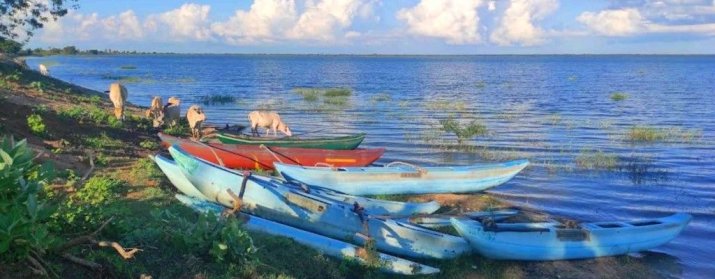
Kattukkarai Kulam is an attraction in Mannar.
 Beaches
Mannar
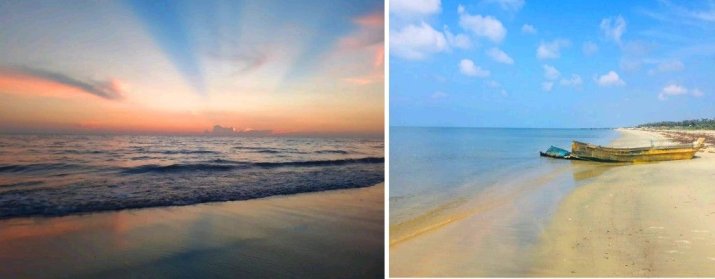
Keeri Beach is a beach in Mannar.
 Attractions
Mannar
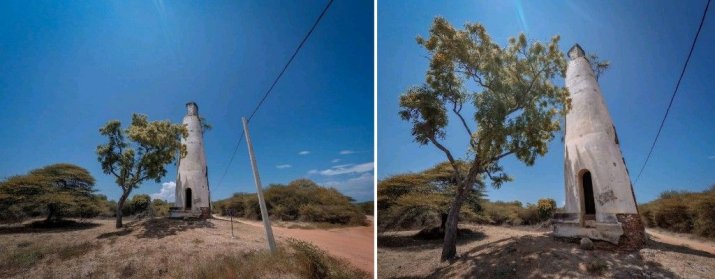
Light House (Minara) is an attraction in Mannar.
 Attractions
Mannar
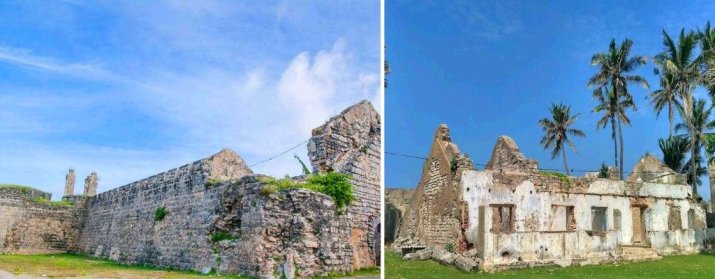
Mannar Dutch Fort is an attraction in Mannar.
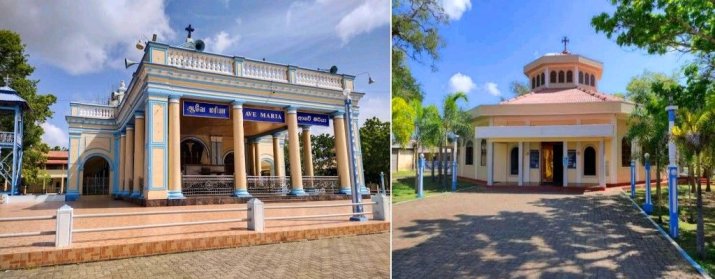 Historical Places
Mannar
National Shrine of Our Lady of Madhu is a historical site in Mannar.
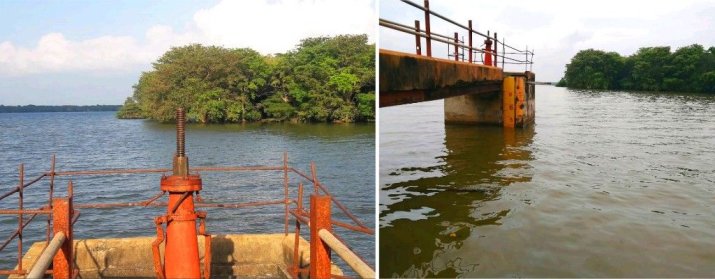 Attractions
Mannar
Periyamadu Tank is an attraction in Mannar.
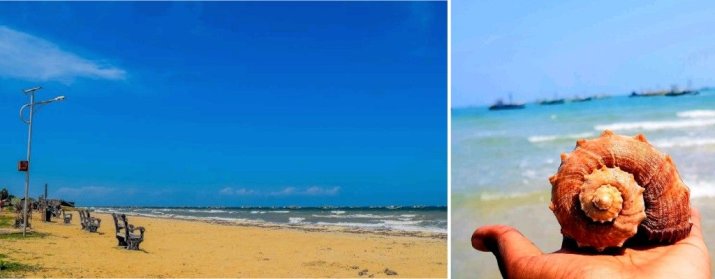 Beaches
Mannar
Pesalai Beach is a beach in Mannar.
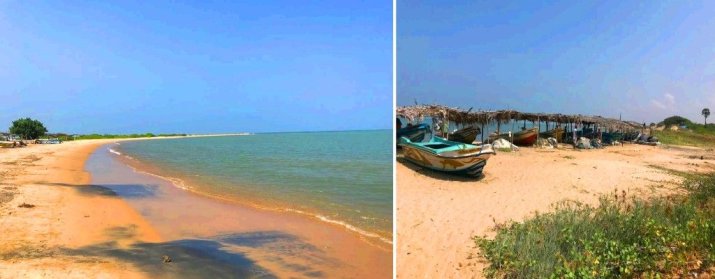 Beaches
Mannar
Silawathurei Beach is a beach in Mannar.
See the town, key historic sites, baobabs and coastal scenery.
Add the district's far-western coast and slower stops.
Include birding or lagoon-focused time depending on season.
Mannar is reached mainly by road and rail from Vavuniya and the north-central corridor.
A car, tuk-tuk or hired vehicle is useful for exploring the island and the long route toward Talaimannar.
Remote island scenery, birdlife, historic religious sites and the Talaimannar coast.
One to two days suits most travellers.
Yes, especially during seasonal migration periods.
Build a day-by-day itinerary or get a realistic budget before you go, both take less than a minute.
Move from island-wide discovery into regional guides, districts, towns and individual places.