01
Wildlife country
The district is a major base for access to protected dry-zone ecosystems and safari routes.
Hambantota District shifts the south coast into Sri Lanka's dry zone, combining wildlife parks, lagoons, pilgrimage towns and quieter coastal landscapes.
Hambantota District is where Sri Lanka's southern travel character changes most dramatically. Dry scrub, wetlands, reservoirs and wildlife landscapes replace much of the lush south-west coast.
Tissamaharama is a practical base for wildlife-oriented travel, while the western side of the district provides a softer coastal contrast.
December to April for many mixed itineraries
Wildlife and coastal conditions vary through the year. Dry-season heat can be strong, so early starts are valuable.
The district is a major base for access to protected dry-zone ecosystems and safari routes.
Reservoirs, stupas and pilgrimage routes give the interior strong historic importance.
Beaches and lagoons offer a slower alternative to busier western south-coast towns.
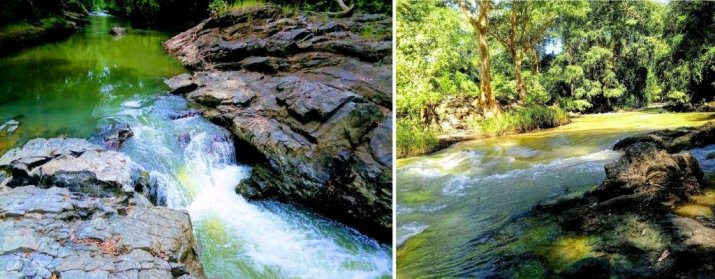 Waterfalls
Ambalantota
Abarana Ella is a waterfall in Ambalantota.
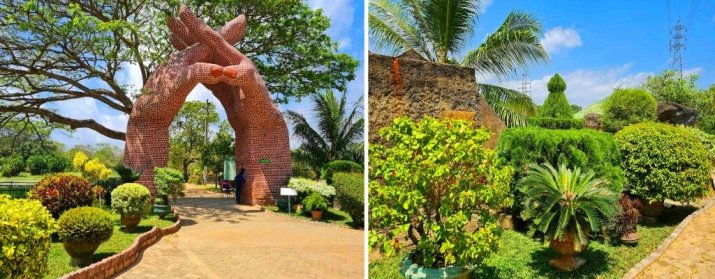 Attractions
Ambalantota
BataathaAgro Technology and Tourism Park is an attraction in Ambalantota.
 Wildlife
Hambantota
Birds Park / Birds Research Center Hambantota is a wildlife spot in Hambantota.
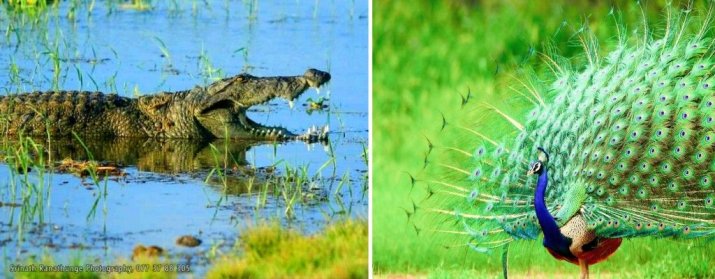 Wildlife
Hambantota
Bundala national park is a wildlife spot in Hambantota.
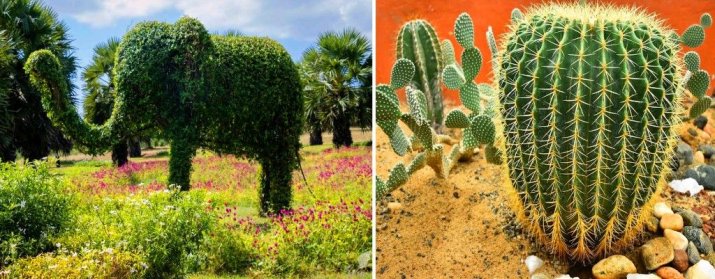 Attractions
Hambantota
Dry Zone Botanic Gardens, Hambantota is an attraction in Hambantota.
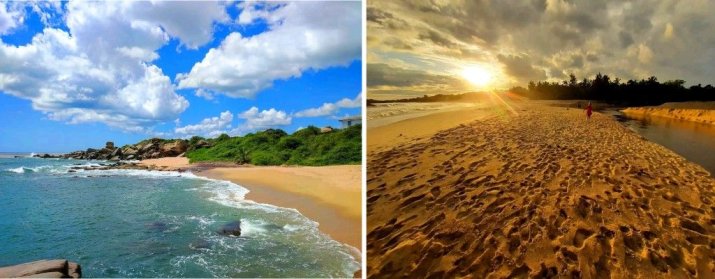 Beaches
Ambalantota
Godawaya beach is a beach in Ambalantota.
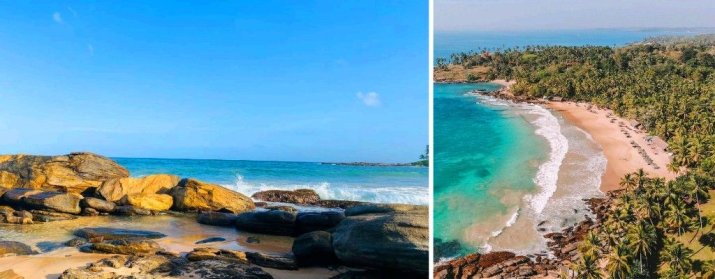 Beaches
Tangalle
Goyambokka Beach is a beach in Tangalle.
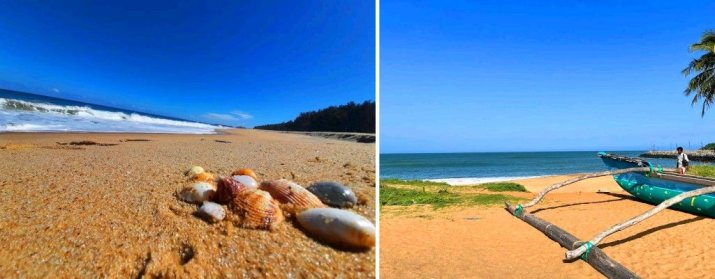 Beaches
Hambantota
Hambantota Beach is a beach in Hambantota.
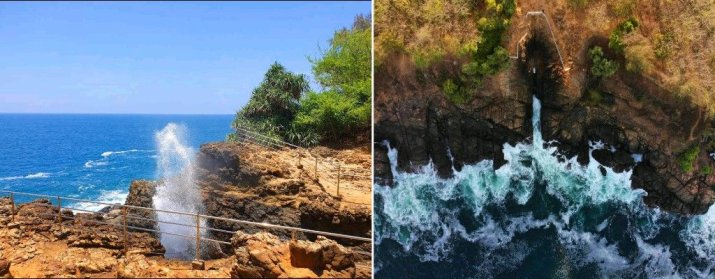 Beaches
Tangalle
Hummanaya Blow Hole is a beach in Tangalle.
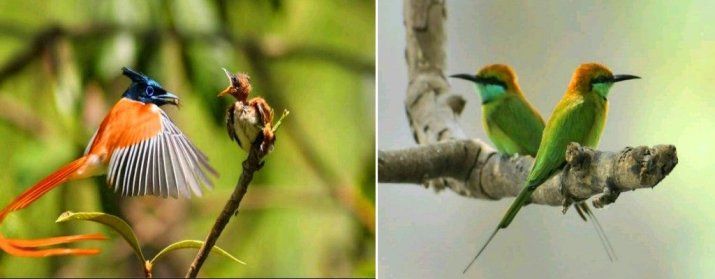 Wildlife
Ambalantota
Kalametiya Bird Sanctuary is a wildlife spot in Ambalantota.
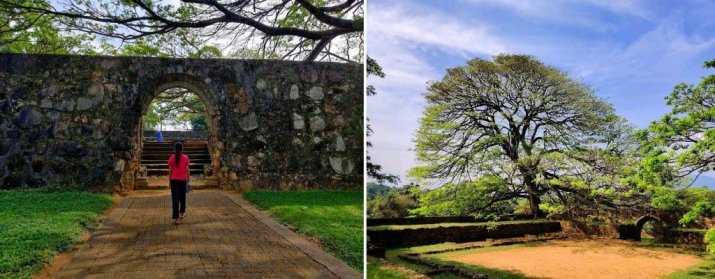 Historical Places
Weeraketiya
Katuwana Fort is a historical site in Weeraketiya.
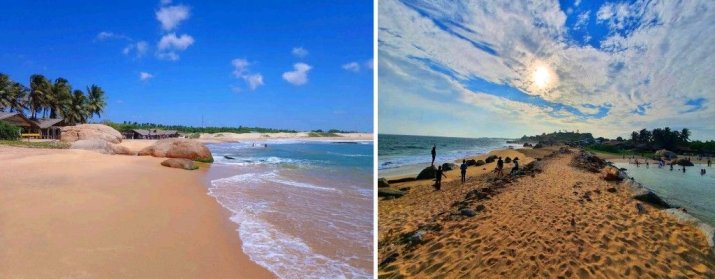 Beaches
Tissamaharama
Kirinda Beach is a beach in Tissamaharama.
Base around Tissamaharama for an early wildlife outing and a relaxed afternoon.
Add reservoirs, temples or pilgrimage sites.
Finish with a beach or lagoon day.
Road is the main way to explore the district, with expressway access from the west and long-distance buses serving major towns.
A driver or safari transfer is often the most practical option for protected areas and widely spaced attractions.
Wildlife, dry-zone landscapes, Tissamaharama, pilgrimage sites and quieter beaches.
Road transport is especially useful because attractions are widely spaced.
Two to three days is a strong minimum if wildlife is a priority.
Build a day-by-day itinerary or get a realistic budget before you go, both take less than a minute.
Move from island-wide discovery into regional guides, districts, towns and individual places.